How Near-miss Reporting Improves Forklift Safety supports why near-miss data matters with practical guidance, connected resources, and clear internal paths. Teams can use this page to strengthen consistency without turning everyday documentation into a bigger burden.
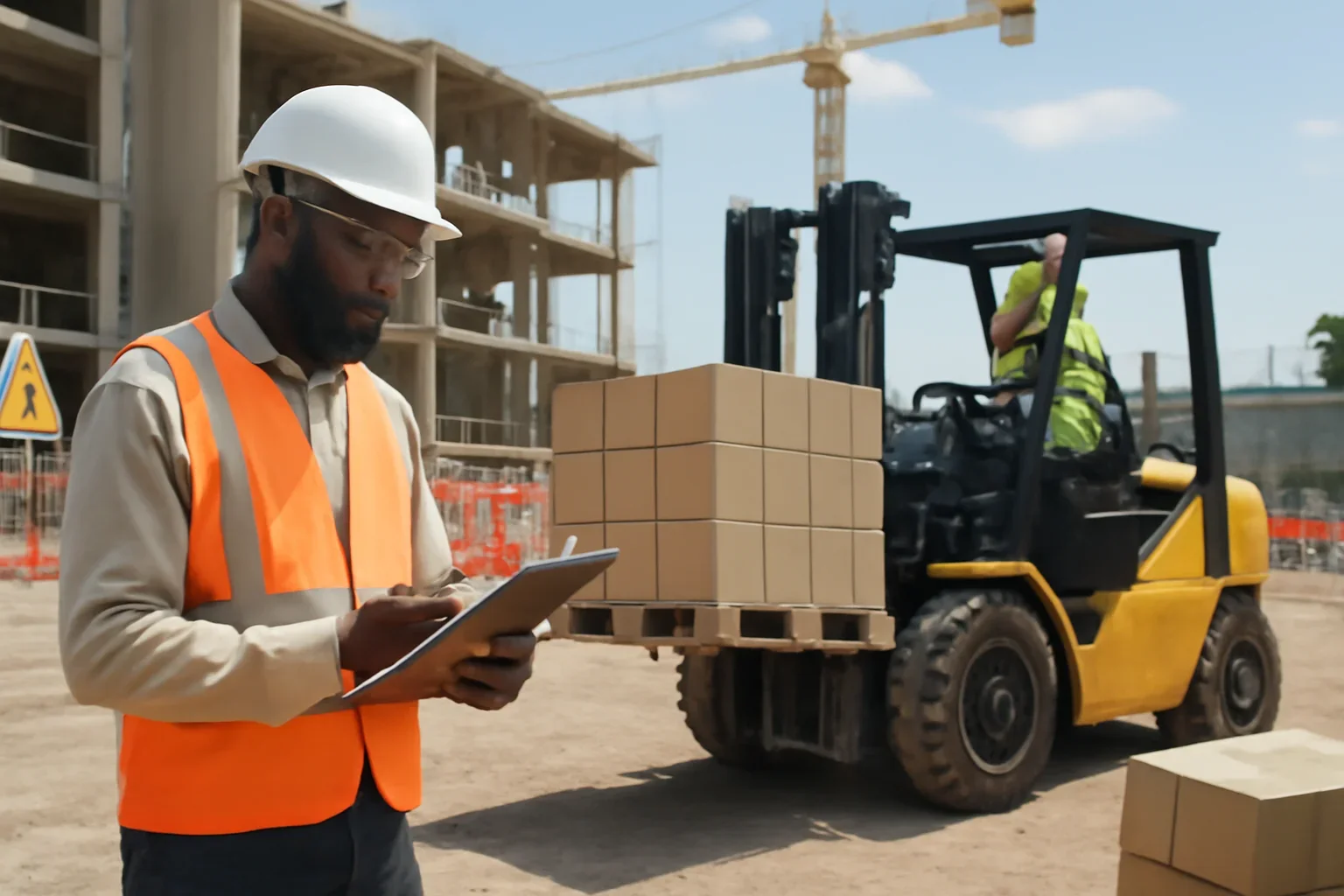
Near-miss reporting gives safety teams a chance to learn from the moment before an injury, property event, or larger disruption. Without that signal, repeated patterns can stay invisible until a more serious outcome forces attention.
The real improvement comes when reports are easy to submit, easy to review, and clearly tied to follow-up such as signage changes, refreshed communication, or additional evaluation.

Important points get discussed once and then disappear because they were never turned into a visible resource.
One supervisor reinforces the process while another uses a different format or skips the record entirely.
Teams know a form exists somewhere, but finding the current version during a busy day becomes harder than it should be.
Start by matching the topic to one clear document set, one owner, and one place where related links live. Then connect that resource to onboarding, toolbox talks, support requests, or follow-up reviews so the page becomes part of the workflow instead of a one-time read.
That is also why related internal pages matter. Good articles point to the checklist, FAQ, support route, or integration page that helps the reader take a useful next step.
Pair how near-miss reporting improves forklift safety with the checklist, FAQ, or support route that helps your team use the idea instead of losing it after one read.