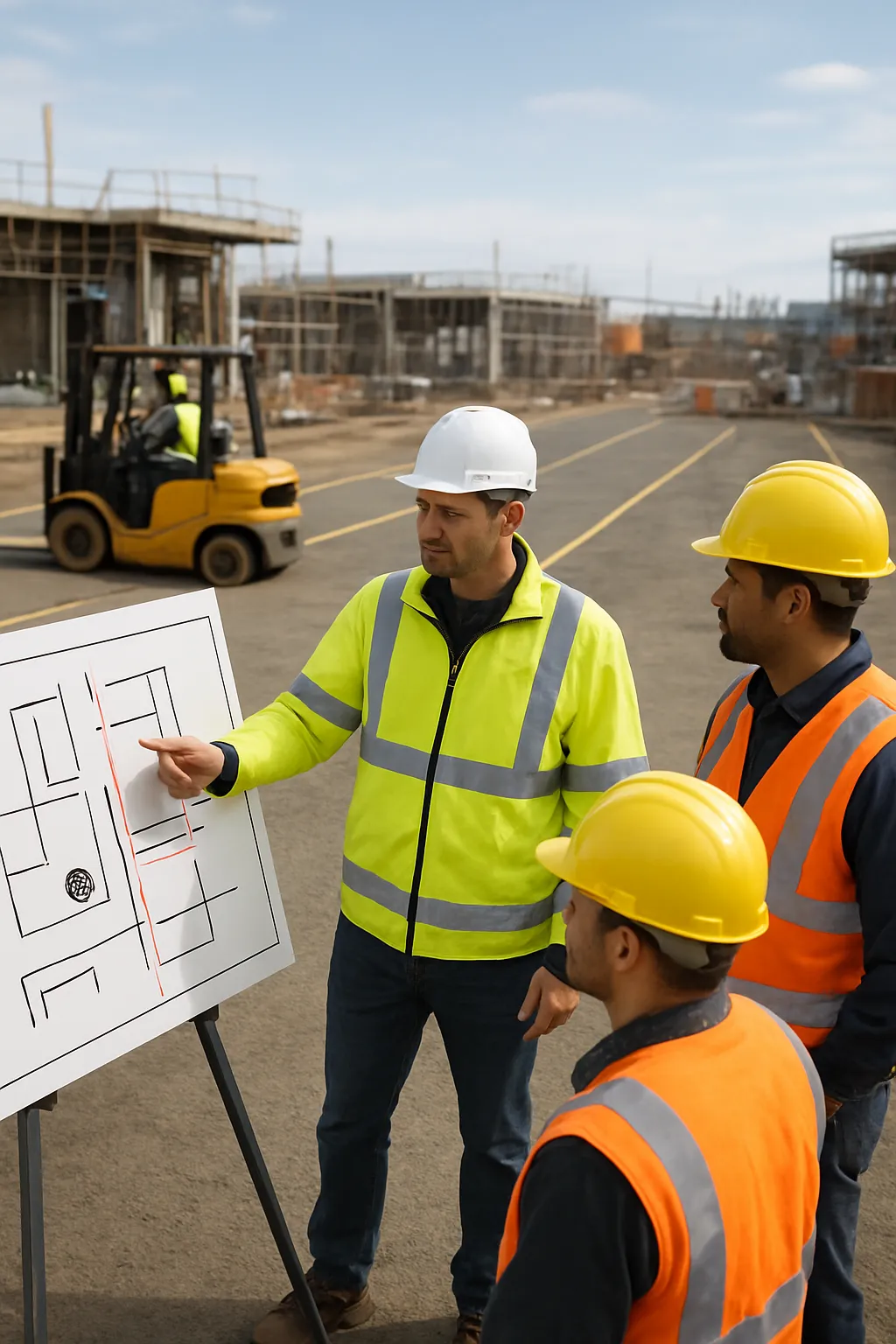
Construction sites are dynamic environments where heavy equipment, forklifts, trucks, contractors, and pedestrians work simultaneously. While forklifts improve productivity by moving materials quickly, they also introduce significant safety risks when operators and ground workers share the same workspace.
Limited visibility, blind spots, noise, and constantly changing site conditions make pedestrian safety a critical responsibility for every employer.
Creating standardized safety procedures helps reduce accidents, improve communication, and ensure everyone on site understands how to work safely around powered industrial trucks. A consistent approach to visibility, inspections, and operator awareness protects workers while supporting regulatory compliance.
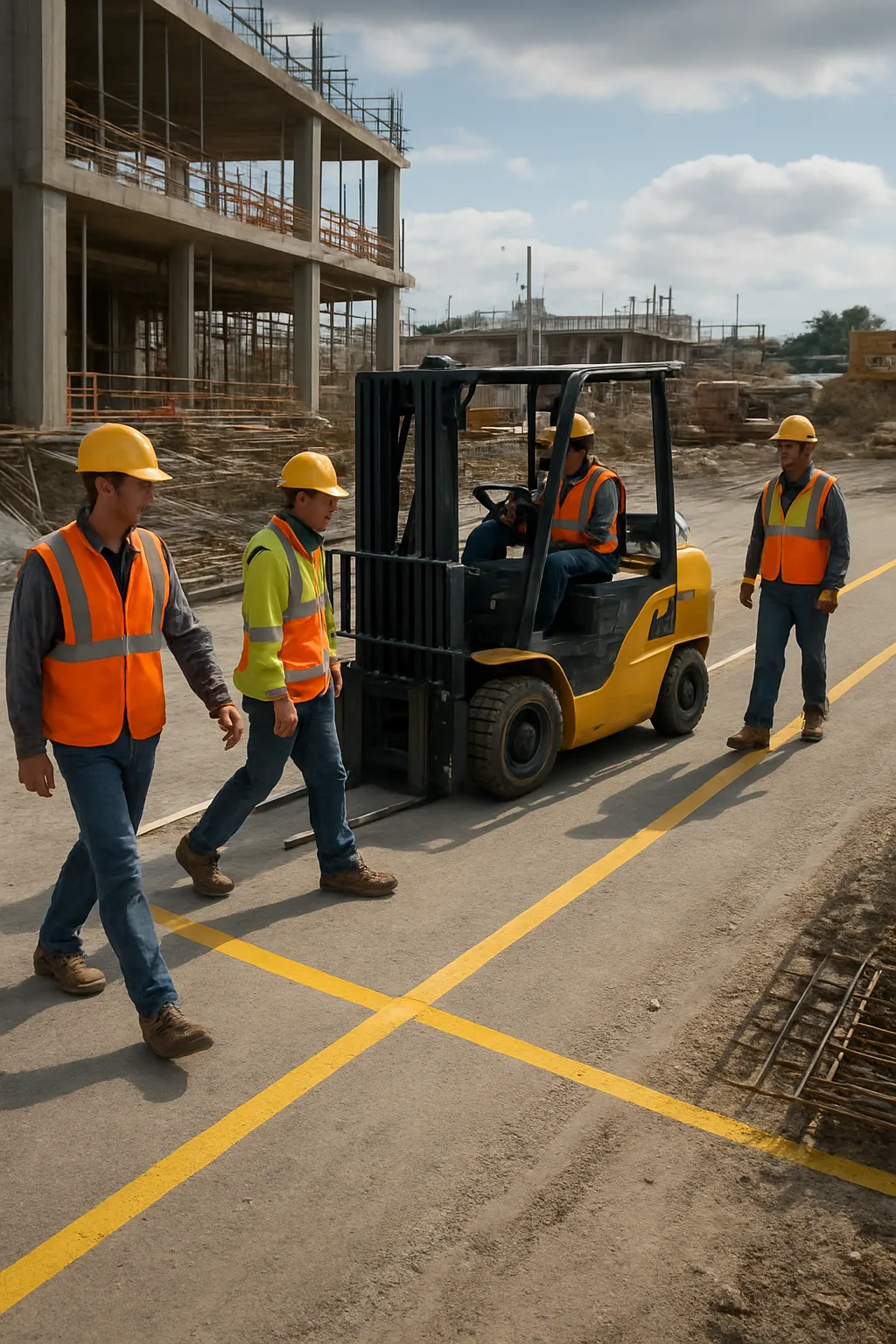
Forklift incidents involving pedestrians often result from communication failures rather than equipment defects.
Construction environments increase these risks because layouts change frequently and multiple trades often work in proximity.
A proactive safety culture helps prevent incidents before they occur.
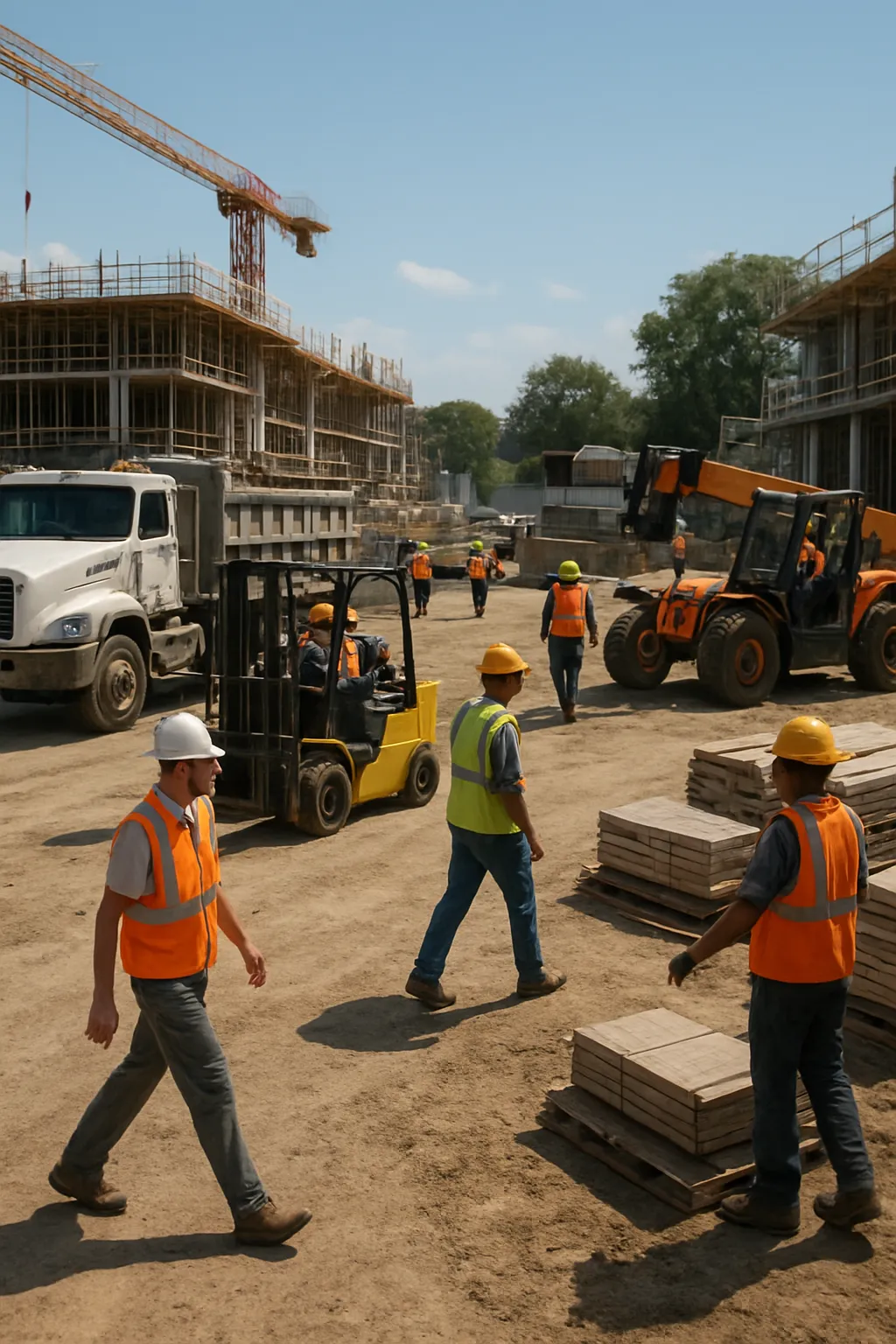
Every forklift has areas where the operator's visibility is limited.
Pedestrians often assume operators can see them when, in reality, they are completely hidden from view.
Training both operators and ground workers to recognize blind spots significantly reduces collision risks.
Personal protective equipment plays an important role in construction site safety. Workers operating near forklifts should wear high-visibility clothing that allows operators to identify them quickly under varying lighting conditions.
Bright, reflective apparel improves visibility during early morning starts, poor weather, and nighttime operations.
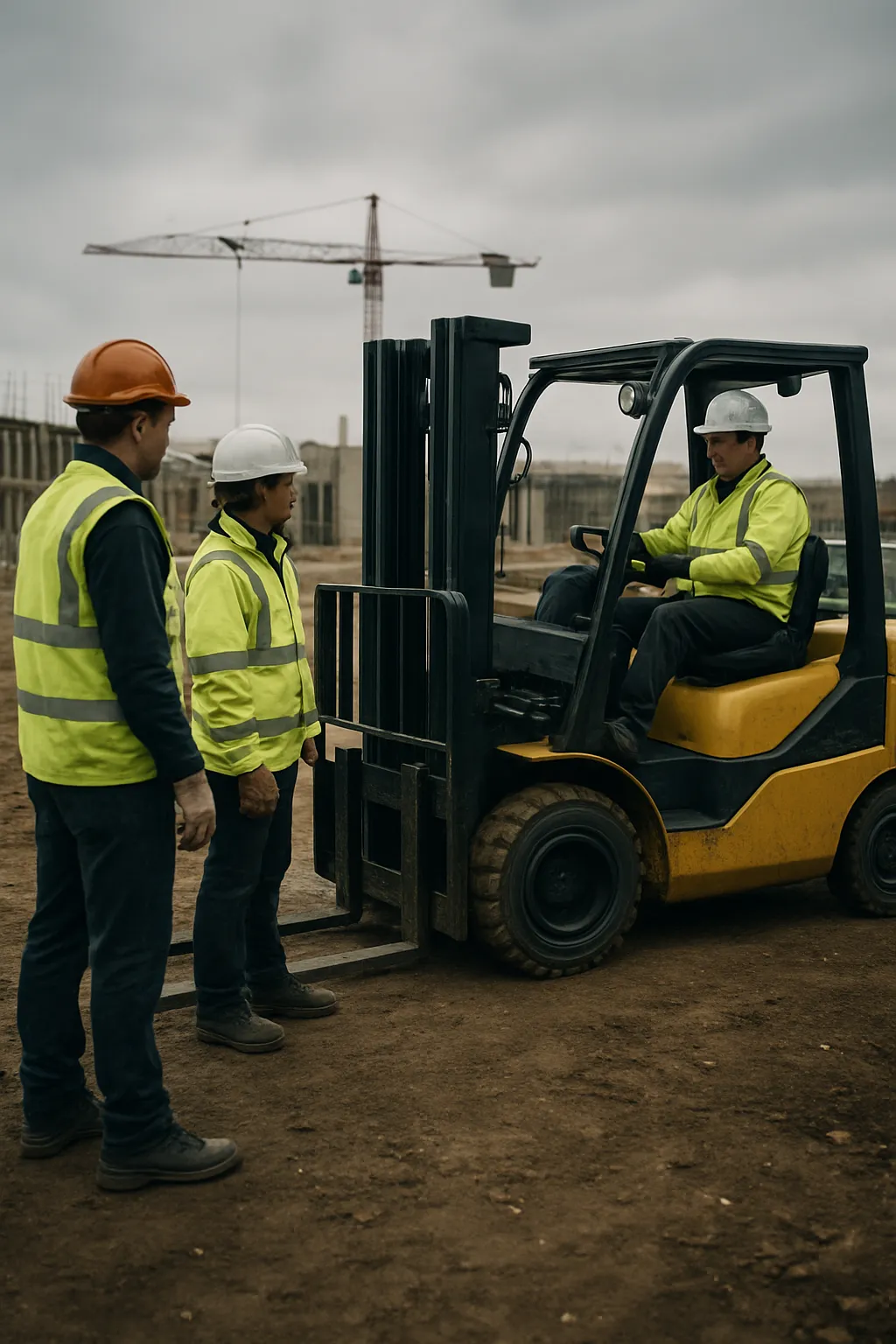
Separating pedestrians from moving equipment remains one of the most effective safety measures.
Physical separation reduces opportunities for unexpected interactions between workers and forklifts.
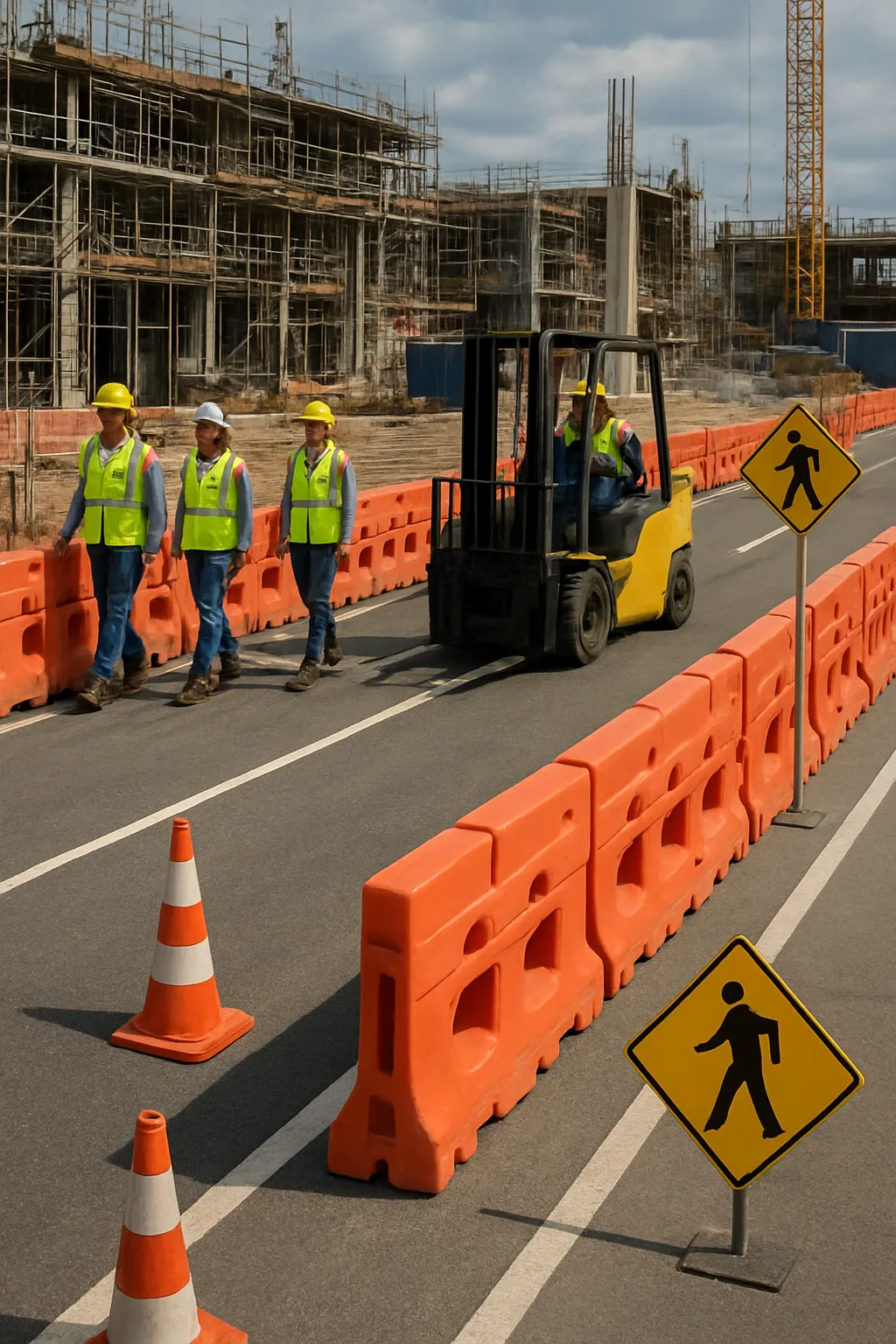
Forklift horns serve as an important communication tool.
Standardized horn procedures create predictable warning signals that every worker understands.
However, horns should supplement, not replace, safe driving practices and visual awareness.
Equipment inspections are a fundamental part of every safe operation.
Operators should inspect forklifts before each shift to identify defects that could affect visibility or safe operation.
Organizations seeking practical inspection resources can review pre-shift checklists, safety rules, and daily inspection guides. Standardized inspection procedures help improve compliance while reducing equipment-related incidents.
Clear communication between operators and ground personnel reduces misunderstandings.
Workers should never enter a forklift's operating area unless they know the operator has acknowledged their presence.
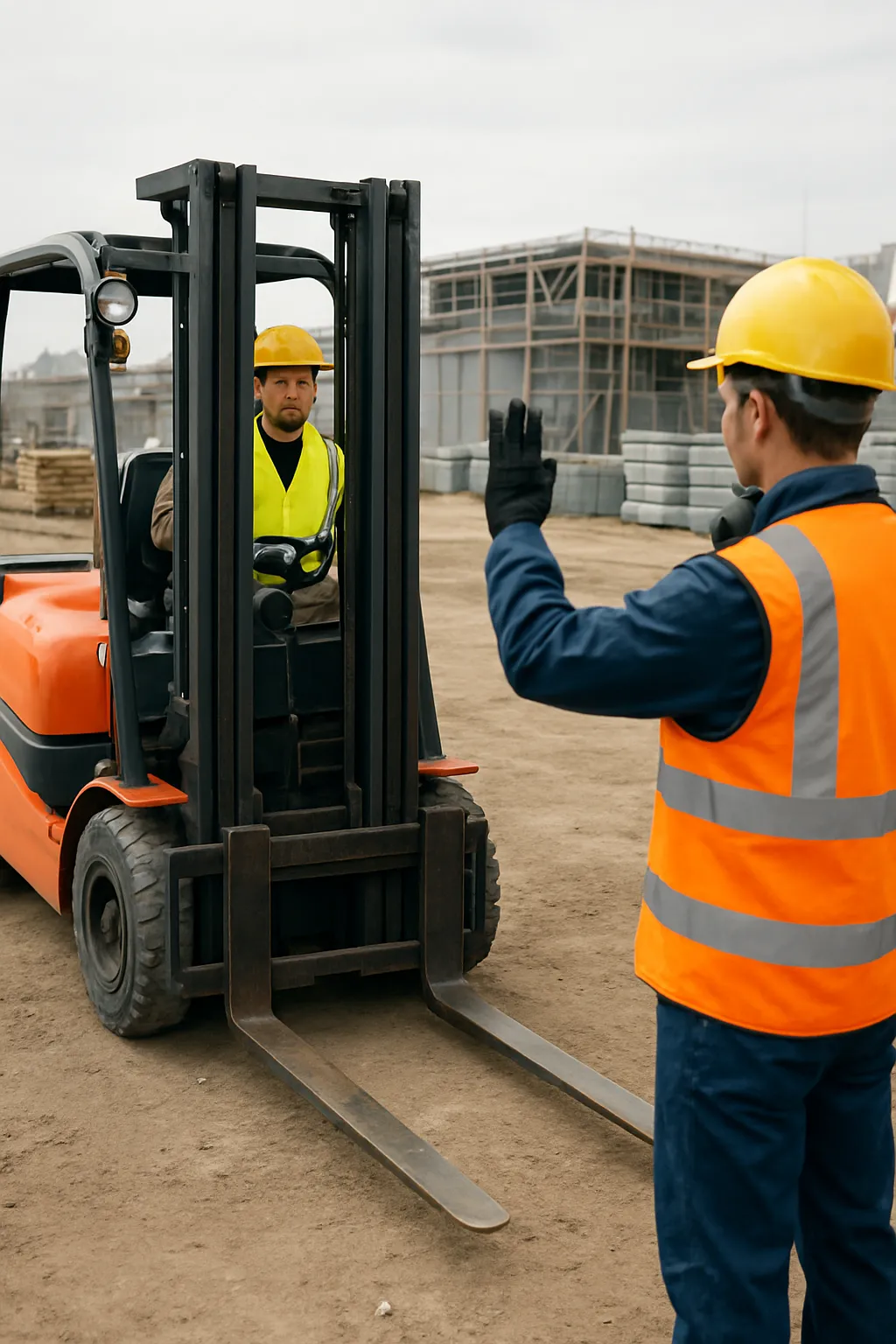
Busy construction projects often involve multiple types of moving equipment.
Well-organized traffic flow minimizes congestion and reduces the likelihood of unexpected encounters.
Safety training should continue throughout every project—not just during employee orientation.
Frequent discussions help keep safety expectations fresh in every worker's mind.
Supervisors play an essential role in maintaining safe work environments.
Visible leadership encourages workers to take pedestrian safety seriously.
Organizations with strong safety cultures recognize that preventing incidents requires participation from everyone on site.
Standardizing these practices creates safer, more predictable worksites while reducing operational risk.
Pedestrian safety on active construction sites depends on more than operator skill alone. High-visibility clothing, standardized horn usage, clearly marked travel routes, daily inspections, and ongoing communication all contribute to reducing the risks associated with forklift operations. By implementing consistent site-wide procedures, employers can better protect both equipment operators and ground workers while improving productivity and regulatory compliance.
For organizations seeking additional guidance on forklift safety, equipment selection, and fleet management best practices, visit Canada's most complete forklift resource. It offers valuable information to help businesses build safer, more efficient operations across a wide range of industries.