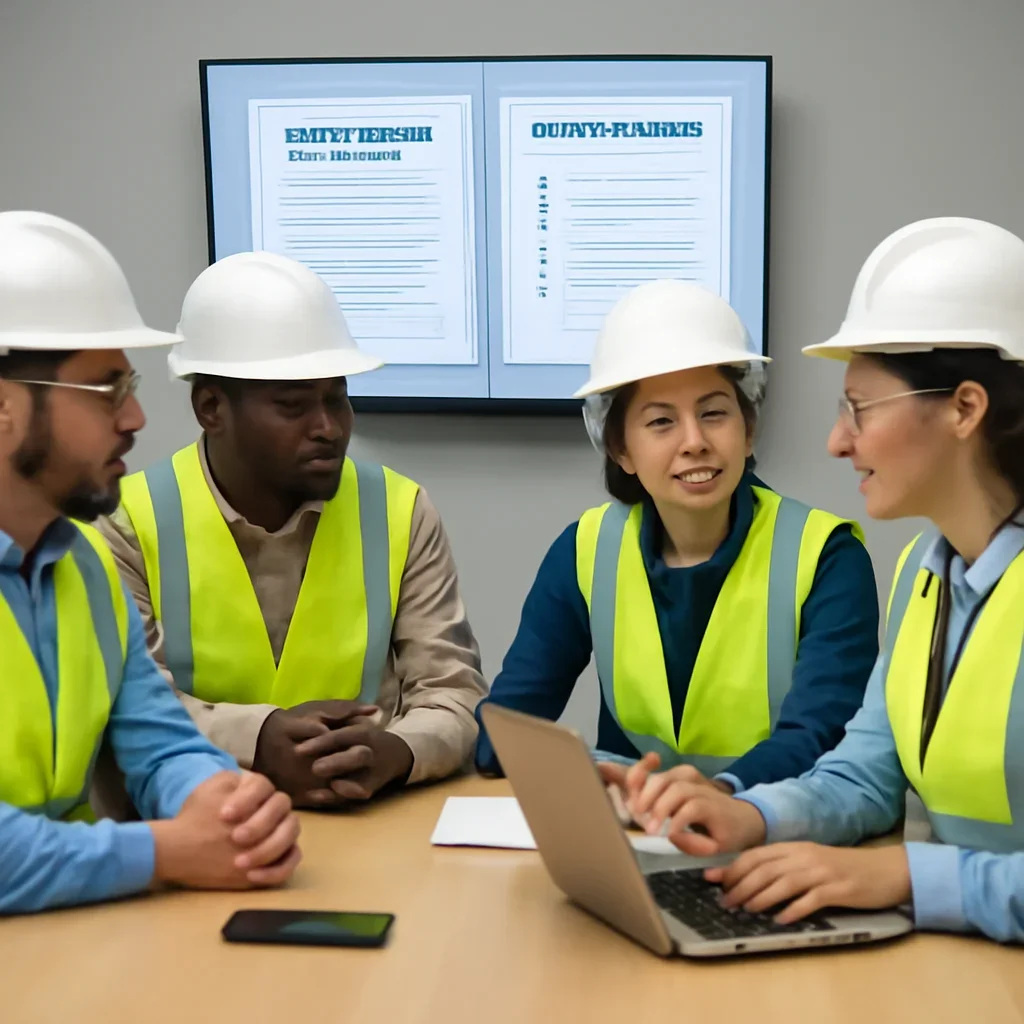
Telehandler vs Forklift Safety Basics for Non-operators supports high-level differences for workers on site with practical guidance, connected resources, and clear internal paths. Teams can use this page to strengthen consistency without turning everyday documentation into a bigger burden.
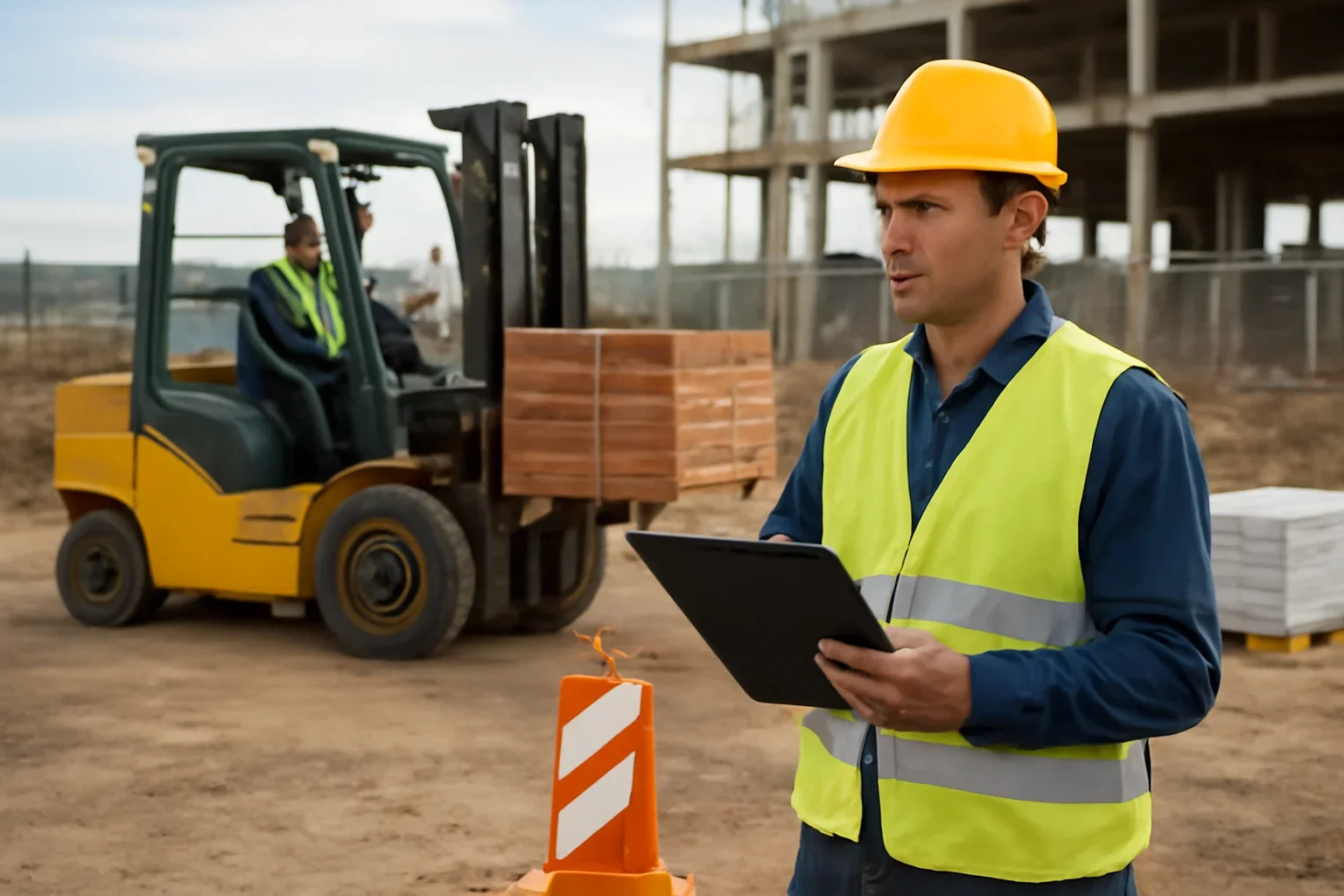
Non-operators still need a plain-language understanding of how telehandlers and forklifts differ in footprint, work area, and site exposure. Without that baseline, bystanders and adjacent crews are more likely to misread where to stand, where to walk, and when conditions have changed.
An awareness page does not replace equipment-specific training. It gives everyone else on site a clearer mental model for exclusion zones, material movement, and communication around active work areas.

Important points get discussed once and then disappear because they were never turned into a visible resource.
One supervisor reinforces the process while another uses a different format or skips the record entirely.
Teams know a form exists somewhere, but finding the current version during a busy day becomes harder than it should be.
Start by matching the topic to one clear document set, one owner, and one place where related links live. Then connect that resource to onboarding, toolbox talks, support requests, or follow-up reviews so the page becomes part of the workflow instead of a one-time read.
That is also why related internal pages matter. Good articles point to the checklist, FAQ, support route, or integration page that helps the reader take a useful next step.
Pair telehandler vs forklift safety basics for non-operators with the checklist, FAQ, or support route that helps your team use the idea instead of losing it after one read.