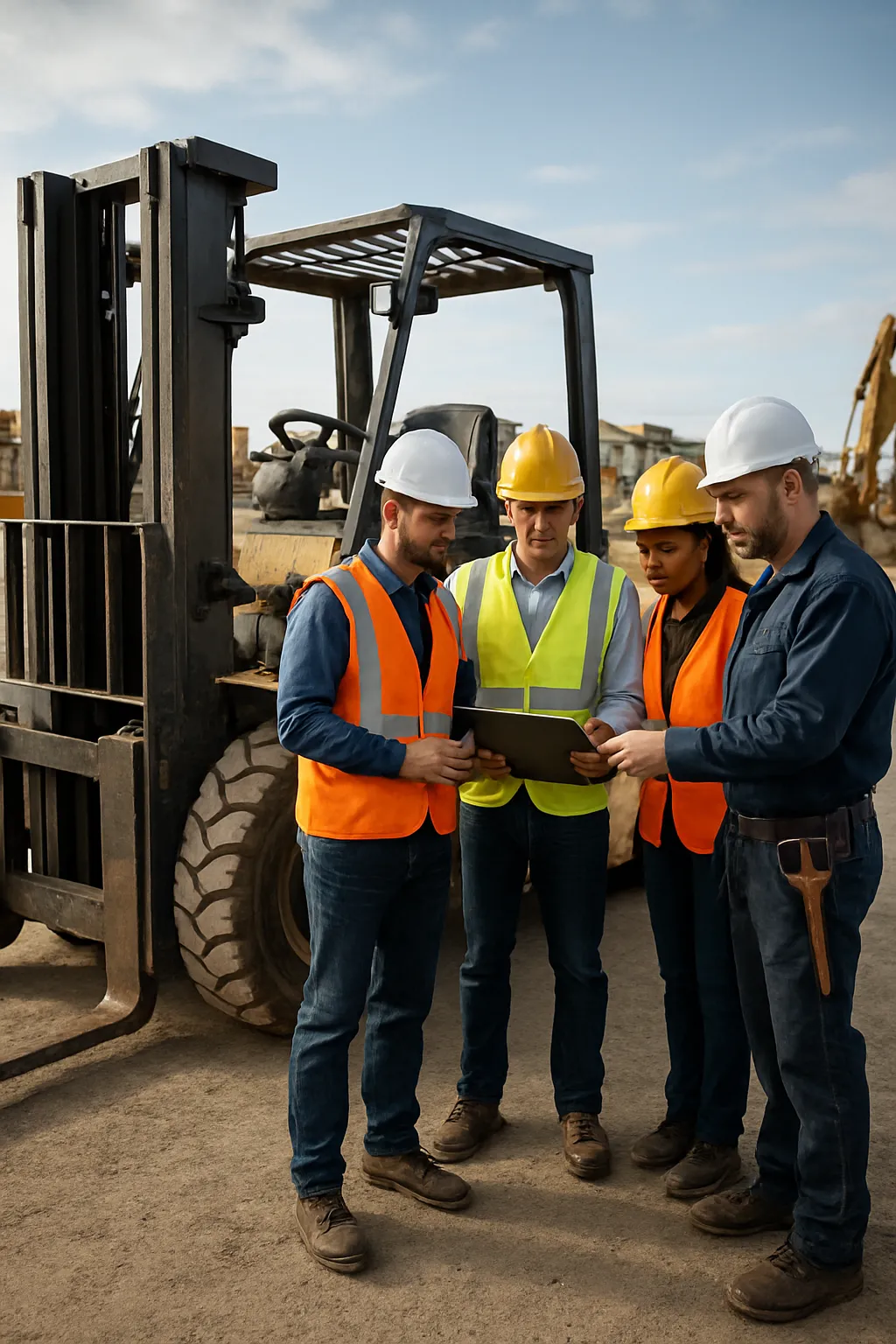
Construction sites are among the most demanding environments for forklifts and material handling equipment. Unlike machines operating on smooth warehouse floors, forklifts used in construction, mining, infrastructure projects, and outdoor industrial yards face constant exposure to mud, dust, moisture, uneven terrain, and heavy loads. These harsh conditions accelerate wear on critical components, increasing maintenance costs and reducing equipment lifespan.
For fleet managers, deciding whether to repair an aging forklift or replace it with a newer model is a strategic business decision. Looking beyond immediate repair costs and evaluating the equipment's total economic life can help organizations reduce downtime, improve productivity, and maximize return on investment.
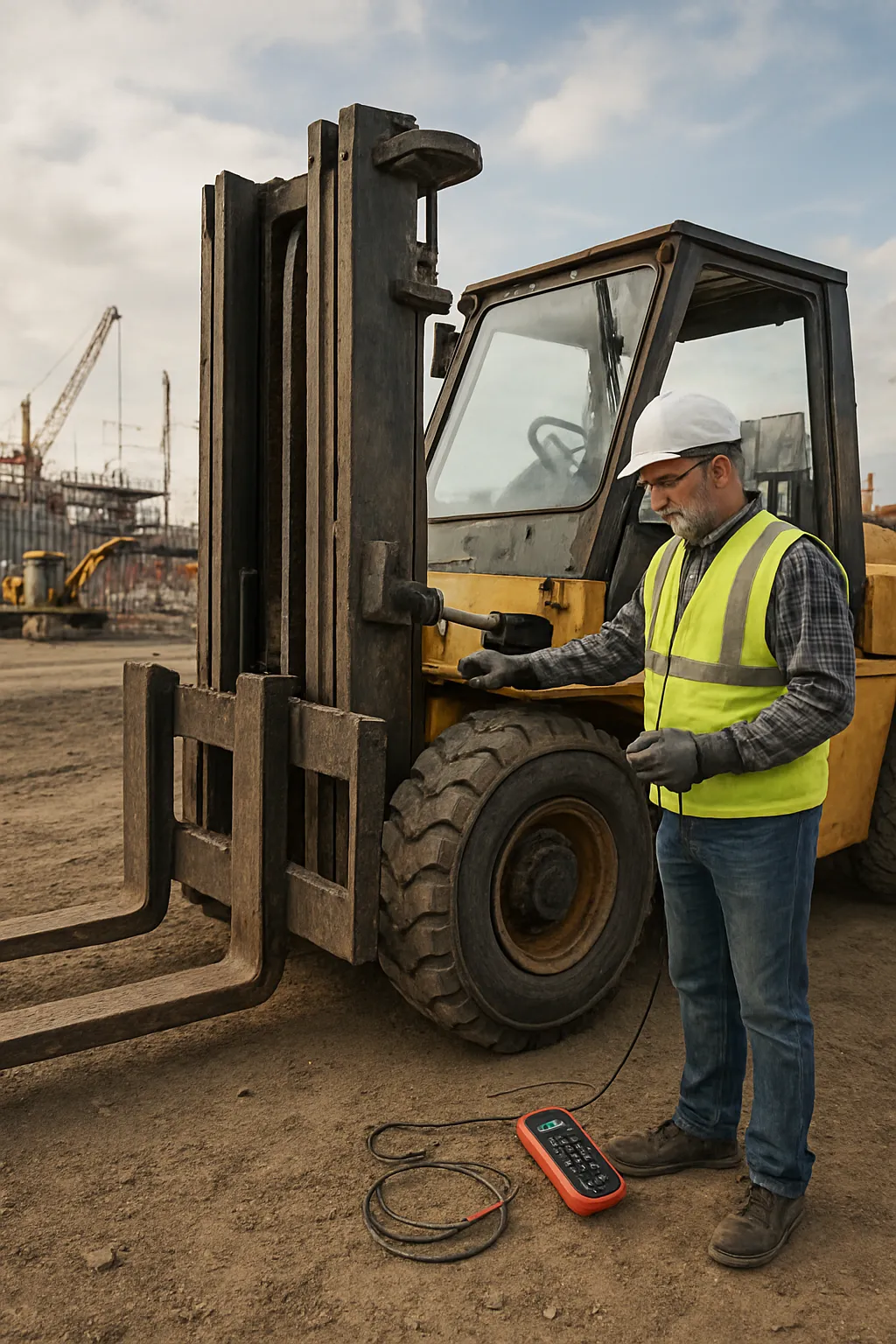
Every forklift has a practical operating lifespan. While proper maintenance can significantly extend service life, no machine lasts forever. Eventually, repair costs, reduced reliability, and declining productivity make replacement the more economical option.
The total amount of time the equipment has been actively used.
The conditions in which the equipment operates each day.
The consistency and quality of preventive maintenance and repairs.
The weight and type of loads regularly handled by the machine.
The way operators handle, inspect, and use the equipment.
The machine's age and availability of replacement parts.
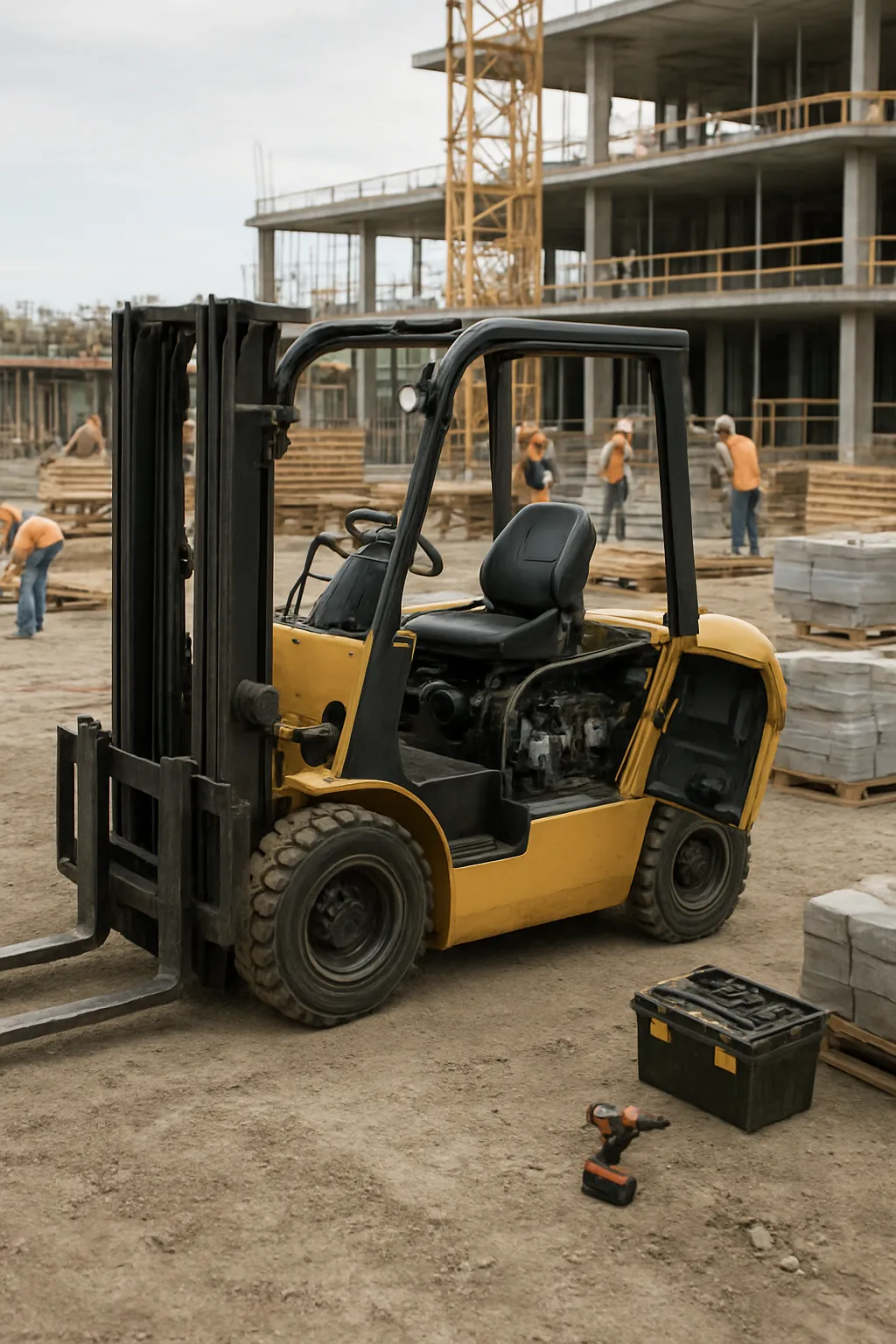
Construction environments accelerate wear far more quickly than indoor warehouse operations.
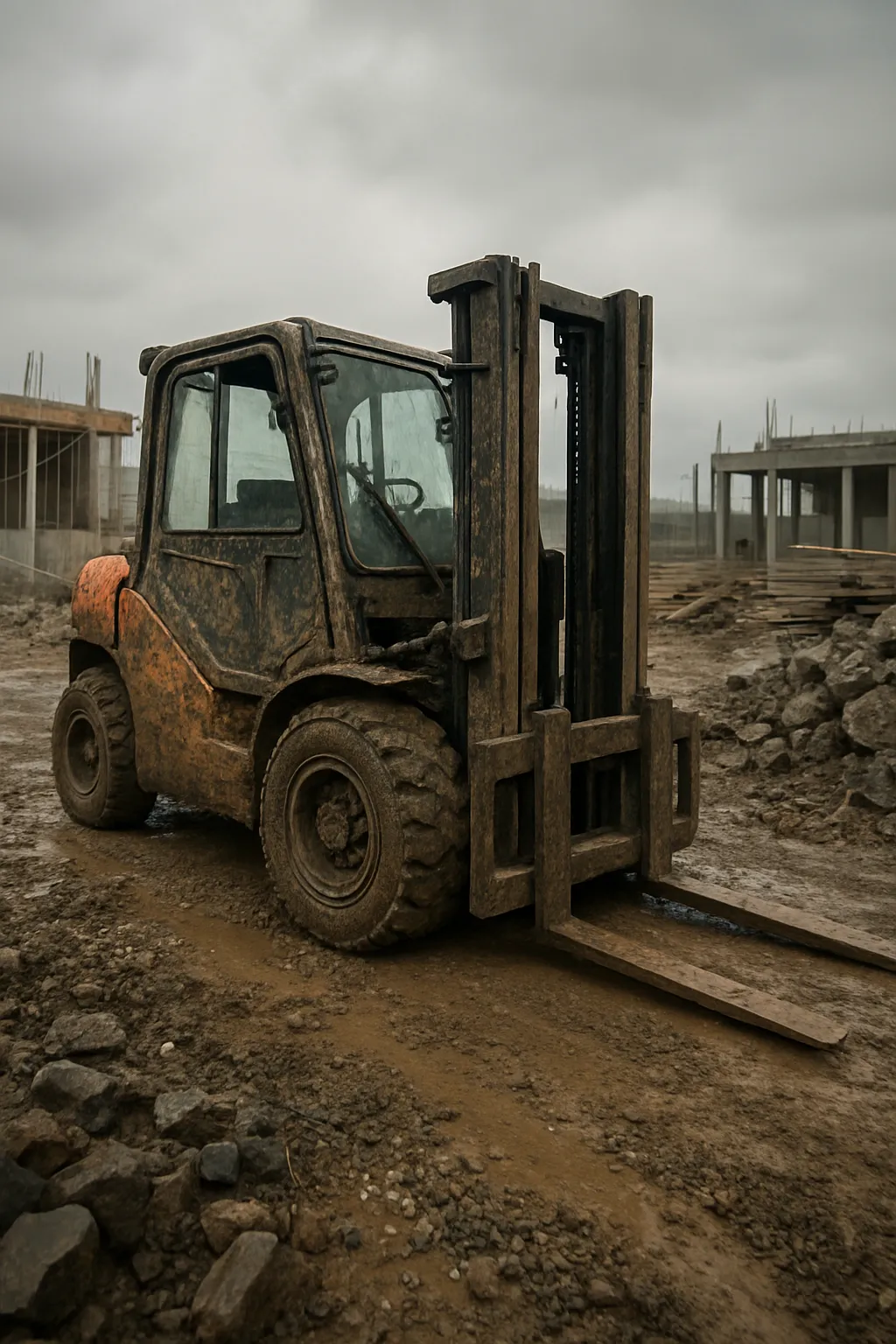
Construction sites expose forklifts to conditions rarely encountered indoors.
Dirt, sand, and concrete dust can enter mechanical systems, clog filters, and reduce cooling performance.
Mud, rain, and heavy debris can affect tires, brakes, electrical connections, and driveline components.
Uneven terrain and extreme temperatures place additional stress on structural, steering, and cooling systems.
These conditions place additional stress on major mechanical systems. Dust can clog air filters and cooling systems, while mud accelerates wear on tires, brakes, steering components, and driveline assemblies. Without consistent maintenance, equipment deterioration occurs much faster.
Several forklift systems experience increased wear in demanding outdoor environments.
Frequent inspections help identify these issues before they lead to expensive breakdowns.
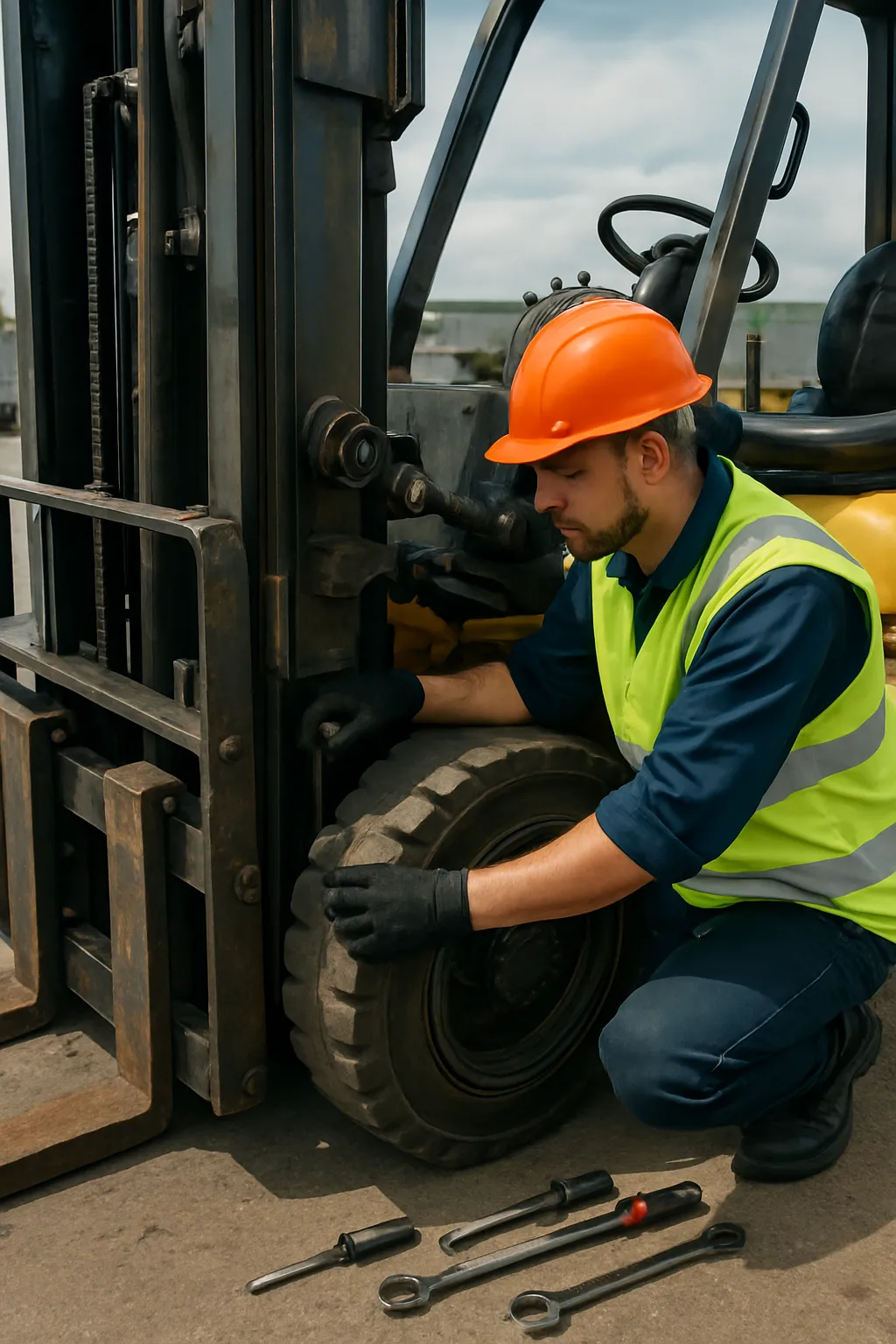
Many businesses continue repairing older equipment because replacing it appears expensive.
However, repeated repairs often create hidden costs such as:
Work slows or stops while equipment is unavailable.
Temporary replacement equipment adds another operating cost.
Equipment failures can affect schedules and material movement.
Unplanned repairs may cost more than scheduled maintenance.
Workers may remain idle or require additional hours to recover delays.
Aging equipment may operate more slowly or inconsistently.
When equipment begins requiring frequent major repairs, total ownership costs often exceed the value of keeping the machine in service.
Rather than focusing solely on equipment age, managers should evaluate economic life.
Answering these questions provides a clearer picture of whether continued repairs remain financially justified.
Fleet replacement should be planned before equipment reaches the point of repeated failure.
Organizations comparing equipment costs can review the pricing breakdown for new and used forklifts. Understanding current market prices helps businesses develop realistic replacement budgets while evaluating the financial impact of keeping aging equipment.
Unexpected equipment failures affect more than repair invoices.
Downtime often results in:
Replacing unreliable forklifts before failures become frequent helps maintain operational continuity.
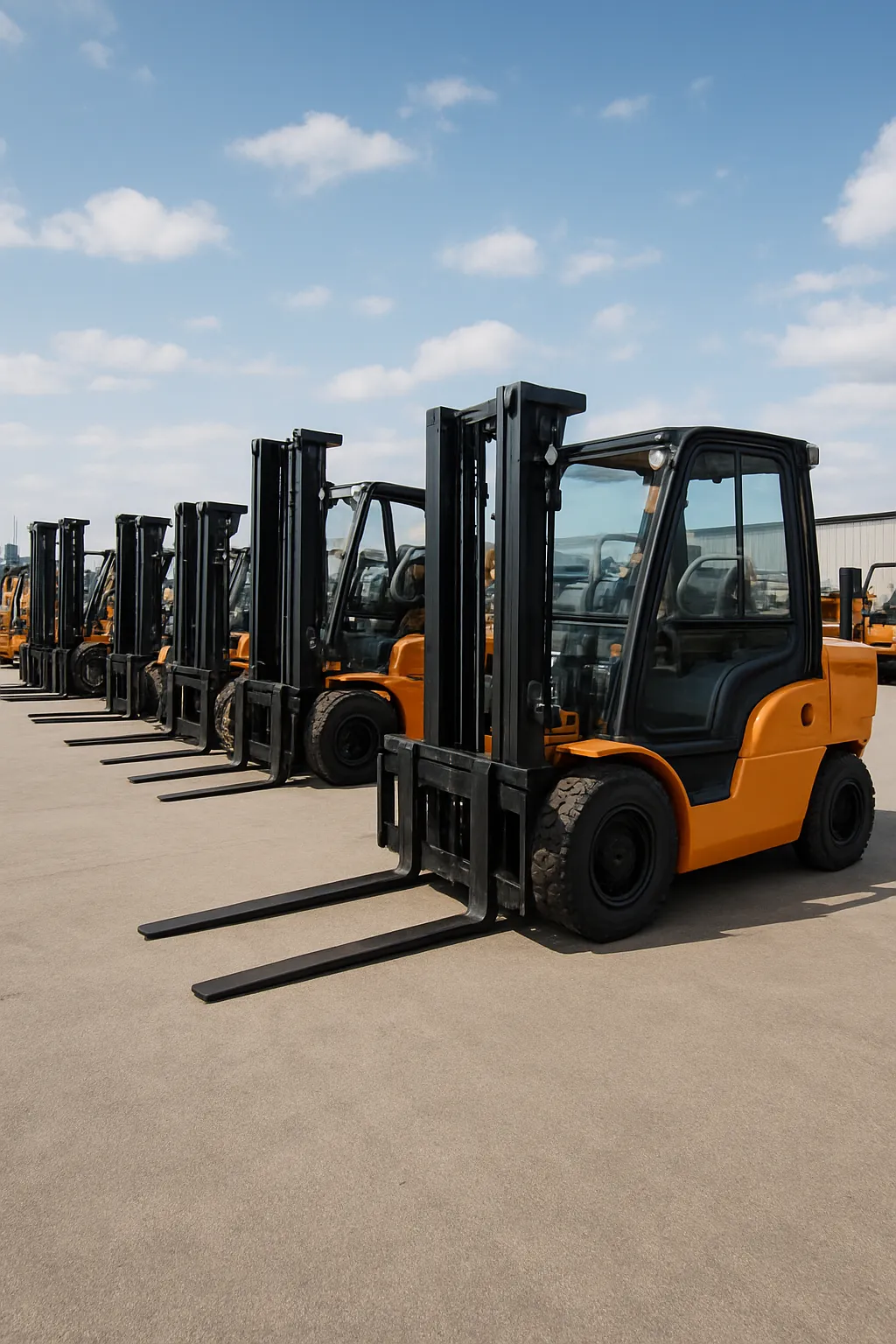
Modern forklifts frequently include improvements such as:
These improvements often generate productivity gains that offset part of the replacement investment.
Replacement is not always the best solution.
Repairing existing equipment may remain practical when:
The decision should always consider total lifecycle costs rather than repair expenses alone.
Successful fleet managers replace equipment strategically rather than reactively.
Developing long-term replacement schedules allows organizations to:
Proactive planning often results in lower total ownership costs.
When equipment reaches the end of its economic life, minimizing replacement delays becomes essential.
Businesses needing reliable replacement equipment can explore New & Used Equipment forklifts. Reviewing available inventory helps fleet managers compare equipment options, evaluate specifications, and source suitable replacements without unnecessary project delays.
Construction sites place extraordinary demands on forklifts, accelerating wear on mechanical components and shortening equipment life. Dirt, dust, mud, heavy loads, and uneven terrain all contribute to rising maintenance costs and increased downtime as machines age.
Rather than waiting for repeated breakdowns to force a decision, businesses should regularly evaluate equipment performance, repair expenses, and overall lifecycle costs. A proactive repair-or-replace strategy helps improve productivity, reduce operating costs, and ensure fleets remain reliable even in the harshest working environments. By combining preventive maintenance with thoughtful replacement planning, organizations can maximize equipment value while supporting long-term operational success.