Why Forklift Blind Spots Cause So Many Close Calls supports explain visibility risk and pedestrian awareness with practical guidance, connected resources, and clear internal paths. Teams can use this page to strengthen consistency without turning everyday documentation into a bigger burden.
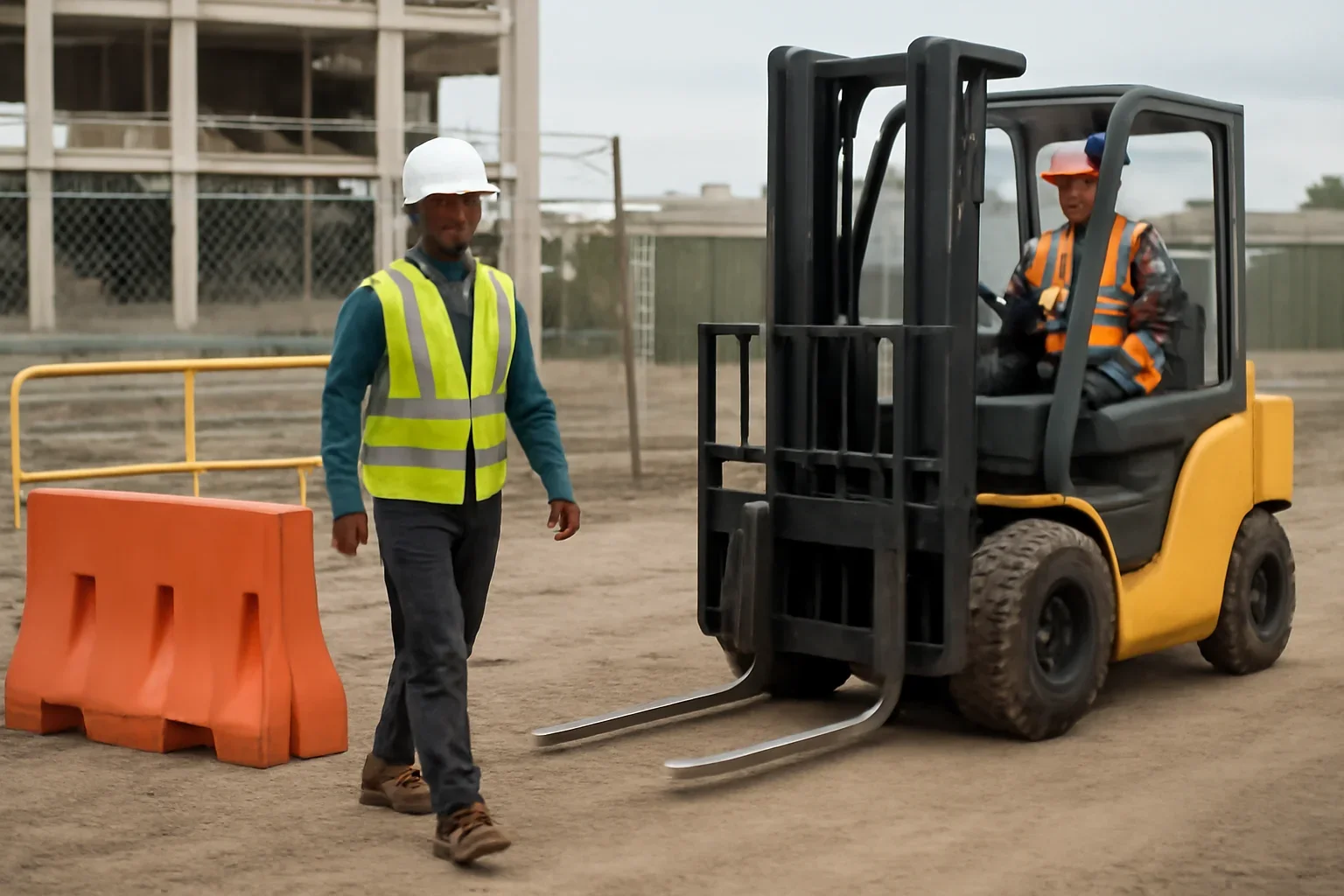
Blind spots create risk because pedestrians, spotters, and nearby crews can assume they have been seen when visibility is actually limited by the vehicle, the load, or the surrounding layout. The problem gets worse when busy routes, stored materials, and informal walk paths overlap.
The most useful response is not a vague warning sign. It is a stronger combination of route planning, exclusion-zone awareness, visible reminders, and consistent reporting when close calls happen.
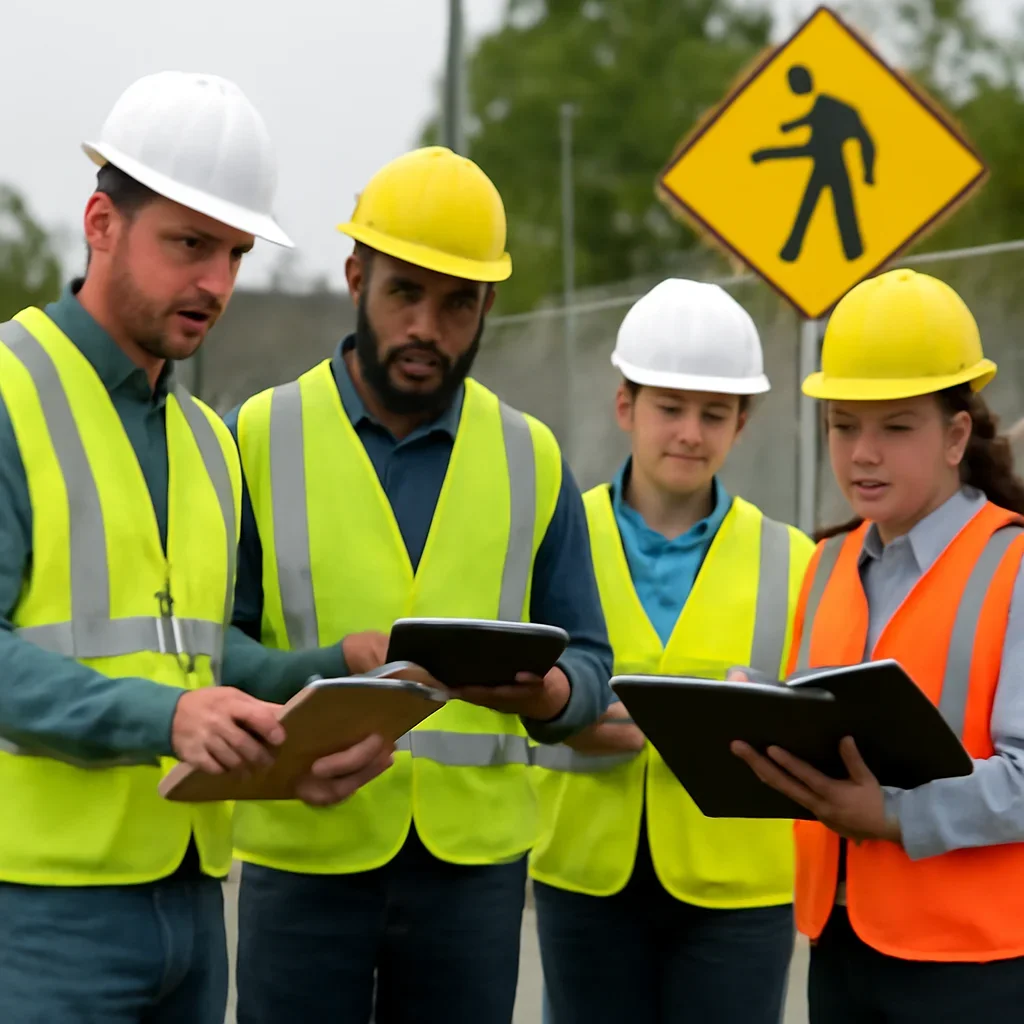
Important points get discussed once and then disappear because they were never turned into a visible resource.
One supervisor reinforces the process while another uses a different format or skips the record entirely.
Teams know a form exists somewhere, but finding the current version during a busy day becomes harder than it should be.
Start by matching the topic to one clear document set, one owner, and one place where related links live. Then connect that resource to onboarding, toolbox talks, support requests, or follow-up reviews so the page becomes part of the workflow instead of a one-time read.
That is also why related internal pages matter. Good articles point to the checklist, FAQ, support route, or integration page that helps the reader take a useful next step.
Pair why forklift blind spots cause so many close calls with the checklist, FAQ, or support route that helps your team use the idea instead of losing it after one read.