What to Include in a Forklift Toolbox Talk supports build short talks around real hazards with practical guidance, connected resources, and clear internal paths. Teams can use this page to strengthen consistency without turning everyday documentation into a bigger burden.
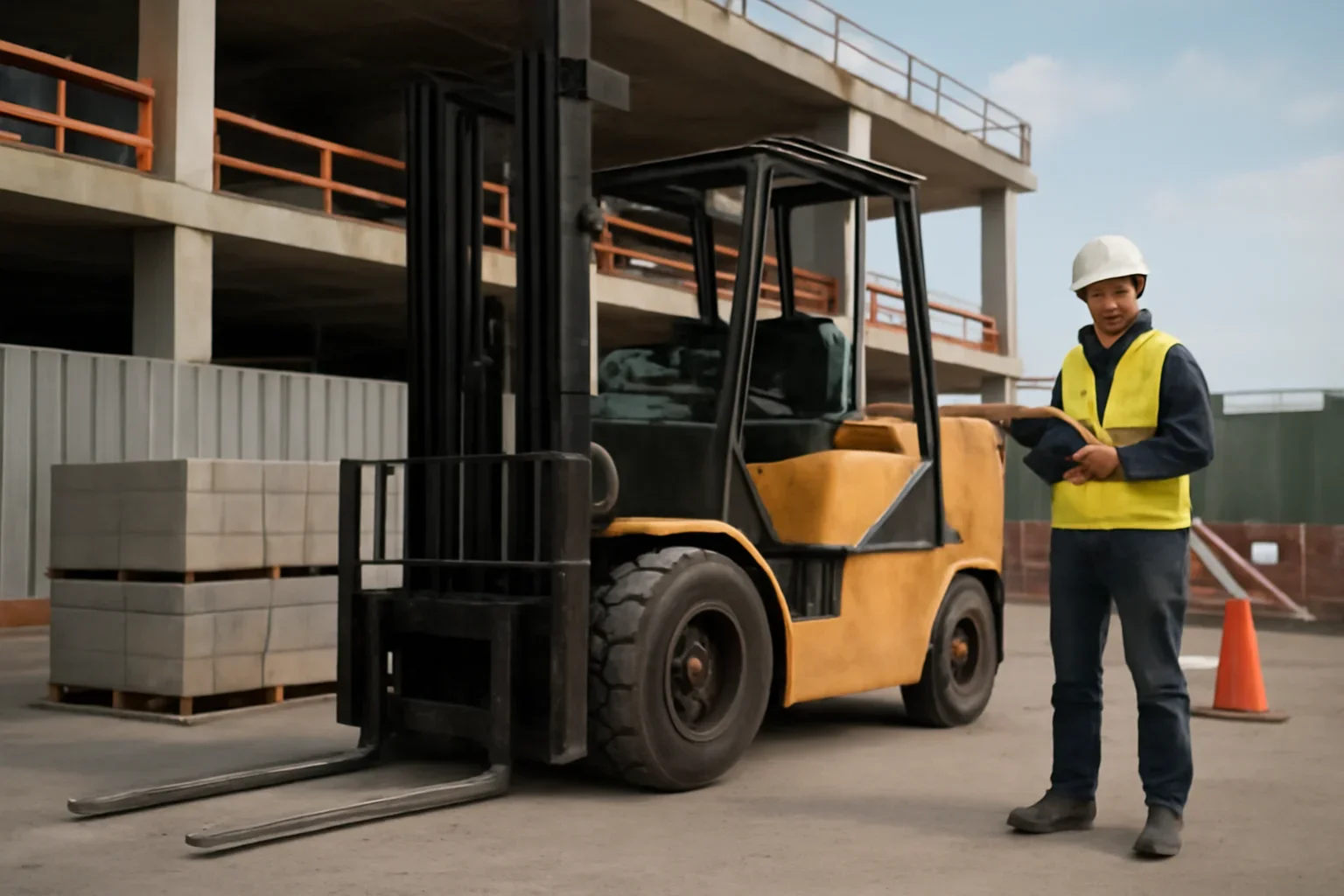
A strong toolbox talk stays short, visible, and tied to what people are actually seeing in the work area. The goal is not to overwhelm the crew with every rule at once. It is to reinforce one hazard pattern, one expectation, and one next action that people can remember on the same day.
Teams get better results when the talk connects to a poster, a route change, a reported concern, or a recent reminder that already has meaning on site.

Important points get discussed once and then disappear because they were never turned into a visible resource.
One supervisor reinforces the process while another uses a different format or skips the record entirely.
Teams know a form exists somewhere, but finding the current version during a busy day becomes harder than it should be.
Start by matching the topic to one clear document set, one owner, and one place where related links live. Then connect that resource to onboarding, toolbox talks, support requests, or follow-up reviews so the page becomes part of the workflow instead of a one-time read.
That is also why related internal pages matter. Good articles point to the checklist, FAQ, support route, or integration page that helps the reader take a useful next step.
Pair what to include in a forklift toolbox talk with the checklist, FAQ, or support route that helps your team use the idea instead of losing it after one read.